
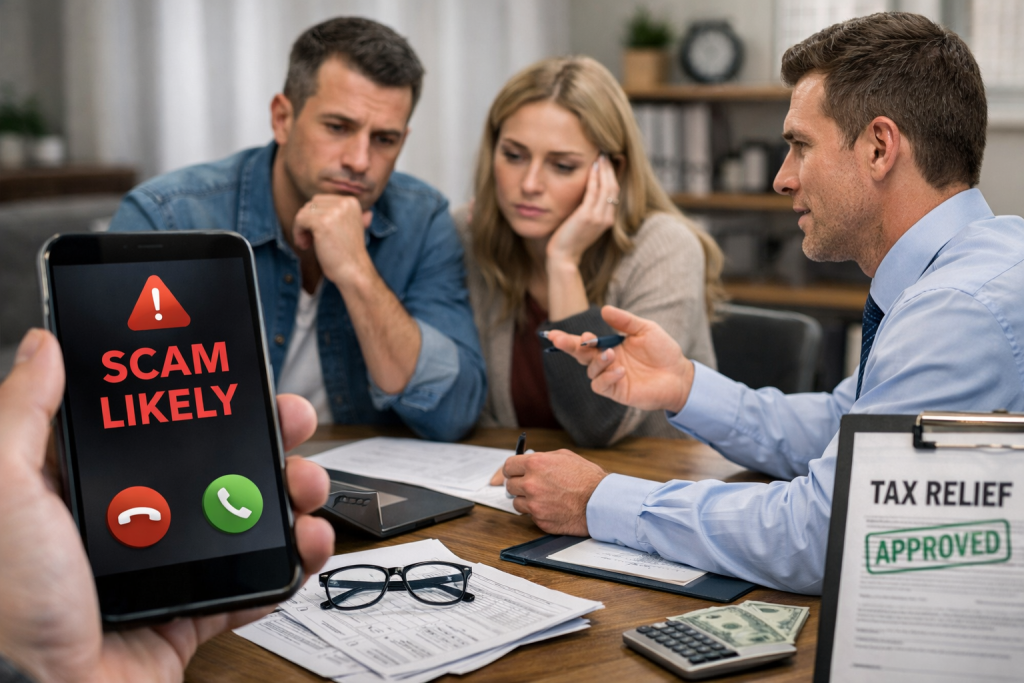





If you run a tax relief firm, your job involves helping people who have issues with their taxes. Finding them on your own may involve spending a lot of time online and calling random numbers. Luckily, an easier way is purchasing a list of names known as leads. Although it may increase your operational costs, your business may grow when you turn them into clients.
Unfortunately, some leads are bad because they may contain old data, and when you call, they may not be interested. This happens if you fall into lead scams. In this guide, we explain how to spot tax relief lead scams and measures you can take to avoid them.
Role of Lead-Generating Agencies
A lead scam is when you get a contact on your list, but they will never convert because they were not legit. Bad leads may hurt your firm in many ways, including loss of cash, wasted time, and low team morale. Thus, it’s important to protect your business and the public from such scams.
Buying leads is an efficient way to find people involved in tax disputes and need your help. Your firm also needs leads for it to grow. However, the firm also needs to evaluate from which sources to get or buy leads. You need to be sure that you’re getting quality tax relief leads delivered when you need them and that the people on the contact list are real. A good company will supply your tax firm with fresh leads from prospects who need help now.
Therefore, it’s important to learn how to identify scams by interrogating the lead supplier. Tax leads are individuals who need help right away and have given their contact information to a lead supplier. Thats why scammers find both parties potential victims. Aditionaly establish whether the leads from the agency are exclusive or not.
Common Lead Scams
The most common scam is selling an old or recycled list that has been made available to many firms before. For instance, you may get the name of a prospect who had a problem nine months ago but got help at that time. Probably, they just filled out an online form and left their details there. An old lead means their tax problem has already been fixed. When you call them, they may get angry since they’ve been called many times. For a lead to qualify, it must be recent because people with tax issues want help now.
Some leads have fake information, such as names or telephone numbers that don’t work. They could have been generated by a computer program, and often, the numbers may disconnect upon calling them. The names could be phony, too, and the emails may bounce back since the addresses are nonexistent. Sometimes the leads may have been gathered from strange places or sectors that are not related to tax collection. For example, leads from home loan purchases where people are tricked into filling out forms or their names are used without consent.
How to Avoid These Scams
There are a few measures you can take to protect your company from tax lead scams. The first thing is to deal with only legit lead sellers who have been in business for a long time and have a good reputation.
Visit their website and check if there are testimonials from past clients. You can even call them and find out about their experience. Also, choose from referrals given by other professionals in your firm’s industry. Once you get acquainted, ask them how they find their leads and whether the contacts they will provide are real. If they’re not open to giving you clear answers, find another supplier.
Ask your supplier what type of lead they are selling to you. Exclusive leads are only available to you and have not been sold to other firms. The advantage is that you’ll be the only person calling and thus have a better chance of closing the deal. They cost more but are a good value for money when you convert them into real clients.
Conversely, shared leads are sold to many firms, and therefore, they will receive many calls from different firms. These types of leads cost less, but the chances of them being scams are also high. You can test by buying a shorter list and calling them. Get to know how many of them were interested in closing a deal. If the calls are successful, then you can trust the supplier and order more. If more people drop the call, this is a red flag that they could be fake.